“Why didn’t she just leave?” is one of the most common and damaging questions people ask about abuse survivors.
It sounds simple from the outside. If someone is being mistreated, the logical next step is to walk away. But for many survivors of emotional abuse, especially in long-term relationships or marriages, the choice to leave is anything but simple. And the belief that staying means accepting the abuse only adds more shame to an already painful situation.
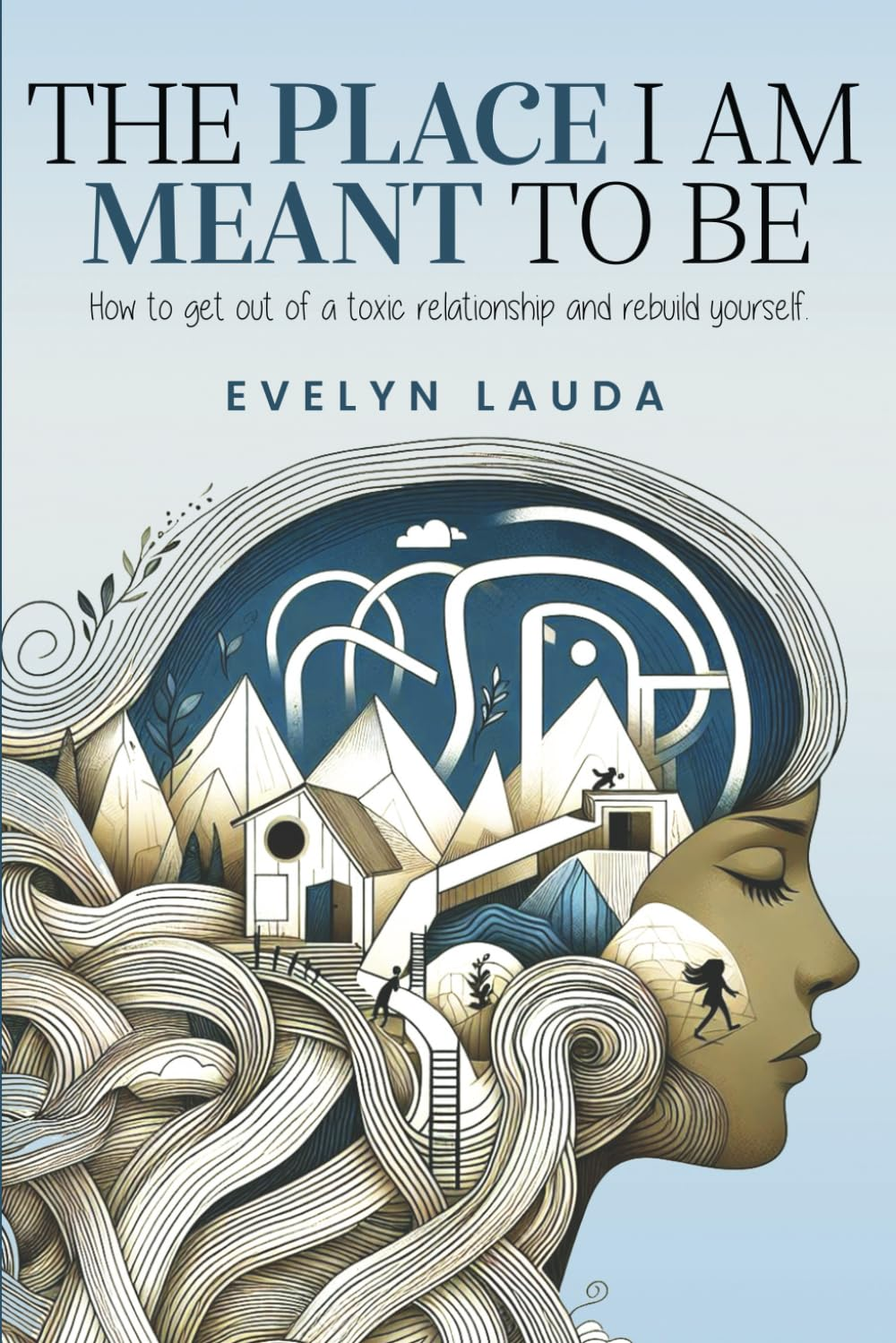
It is one of the central themes in Evelyn Lauda’s memoir, The Place I Am Meant to Be. Evelyn stayed in a toxic marriage for more than a decade. Her husband was not violent. He never raised his hand. But he dismissed her feelings, controlled the finances, blamed her for his failures, and created an environment of constant emotional tension. From the outside, their life looked fine. But inside, Evelyn was barely holding on.
People often assume that survivors choose to stay because they are weak or unwilling to help themselves. But this view ignores the emotional, social, and financial weight that abuse places on a person. In Evelyn’s case, she had three children, two of whom had special needs. She had limited financial independence, and for years, she doubted her own instincts because of the ongoing manipulation and gaslighting she experienced at home.
One of the most damaging myths is that if there are no bruises, it is not abuse. Emotional abuse works slowly. It chips away at self-worth. It makes someone feel confused, small, and unsure of their reality. When a person is constantly told that their concerns are irrational or that their memory is wrong, they begin to lose confidence in their own judgment. By the time they consider leaving, they are often too worn down to imagine starting over.
Another myth is that women should stay for the sake of their children. Evelyn believed this for years. But she later realised that staying in a home full of stress and tension was not helping her children. It was harming them. Her youngest son developed anxiety. The household atmosphere was filled with silence and fear, not stability. Leaving, she discovered, was not a failure. It was a step toward giving her children a healthier environment.
There are also social pressures. Survivors are often afraid of being judged, of not being believed, or of breaking up the image of a perfect family. Evelyn’s story shows how many women endure emotional abuse quietly because they feel trapped by the expectations of others.
Leaving is not always a dramatic escape. It can be a slow and careful process, filled with planning, therapy, and quiet bravery. Evelyn began her journey not with a single bold move, but with small steps, including a conversation with a coach, secret meetings with a lawyer, and late-night thoughts where she asked herself what kind of life she wanted to live.
The Place I Am Meant to Be is an honest and deeply relatable account of what it means to live in and eventually leave an emotionally harmful relationship. It reminds us that staying is not always a choice, and leaving is not always easy.
If you have ever questioned why someone stays, or if you are questioning your own situation, this book will help you understand the full picture. It is not about blaming. It is about seeing clearly, healing slowly, and choosing peace over shame.
Explore this book now on Amazon: https://www.amazon.com/dp/1967679843.