When people hear the word abuse, they often imagine scenes filled with noise, aggression, or visible harm. But there is another form of abuse that leaves no marks on the body. It works quietly and steadily. It affects a person’s thoughts, emotions, and sense of self. It is psychological abuse, and it can be just as damaging as physical violence, even though it often goes unnoticed.
Psychological abuse is powerful because it relies on confusion and self doubt. Instead of striking the body, it strikes the mind. It uses subtle comments, shifts in tone and changes in behaviour to make someone question their own reality. Many victims cannot describe a single moment when everything changed. Instead, they describe a gradual process that left them unsure of who they were.
One of the main tools of psychological abuse is control. This control is rarely obvious. Instead of strict orders, the abuser may use suggestions, expectations or emotional pressure. He may tell his partner how to dress, how to speak or how to behave. He may claim that he is helping or guiding her. He may use phrases that sound supportive but carry a clear message that she should change to suit his comfort.
Another tool is criticism. It begins gently, often wrapped in humour. He may make a comment about her weight, her habits or her decisions. At first, she thinks it is harmless. But these comments grow over time. They appear in moments when she is vulnerable. They shape the way she sees herself. The partner does not need to shout, because the message lands all the same. She is not enough.
Manipulation is also common. Psychological abuse often involves making the partner doubt her own memory. He may deny things he said earlier. He may rewrite conversations. He may insist that she is exaggerating when she expresses hurt. This technique makes her question her own judgment, which strengthens his ability to control the narrative.
Silence can be a weapon as well. Many abusers withdraw affection or communication to punish their partners. They may ignore messages, refuse to discuss problems or leave the room without explanation. This creates emotional anxiety. The partner feels responsible for repairing the connection. She tries harder. She apologises even when she has done nothing wrong. She becomes dependent on the moments when he decides to be warm again.
Another form of psychological abuse involves shifting blame. The abuser rarely takes responsibility for his actions. Instead, he blames his partner for his mood, his stress or his behaviour. He may say she is the reason he becomes distant. He may say her words make him act a certain way. Over time, she begins to believe that she is the source of every problem.
Isolation is another silent tactic. The partner may discourage friendships, criticise family members or make her feel guilty for wanting time alone. He may say that he needs her or that she is selfish for wanting her own space. Slowly, she becomes more and more disconnected from the outside world. Without support, she becomes easier to manipulate.
Psychological abuse works because it hides behind everyday moments. It does not require shouting, threats or physical harm. It requires patience on the abuser’s part and emotional investment on the partner’s part. By the time she realises what is happening, she may feel too uncertain and exhausted to take action.
Understanding how psychological abuse works is the first step toward breaking the hold it creates. It is not always loud. It does not always look dramatic. It works through confusion, self-doubt, and emotional fatigue. The more we talk about it, the easier it becomes for women to recognise when something is not love but control.
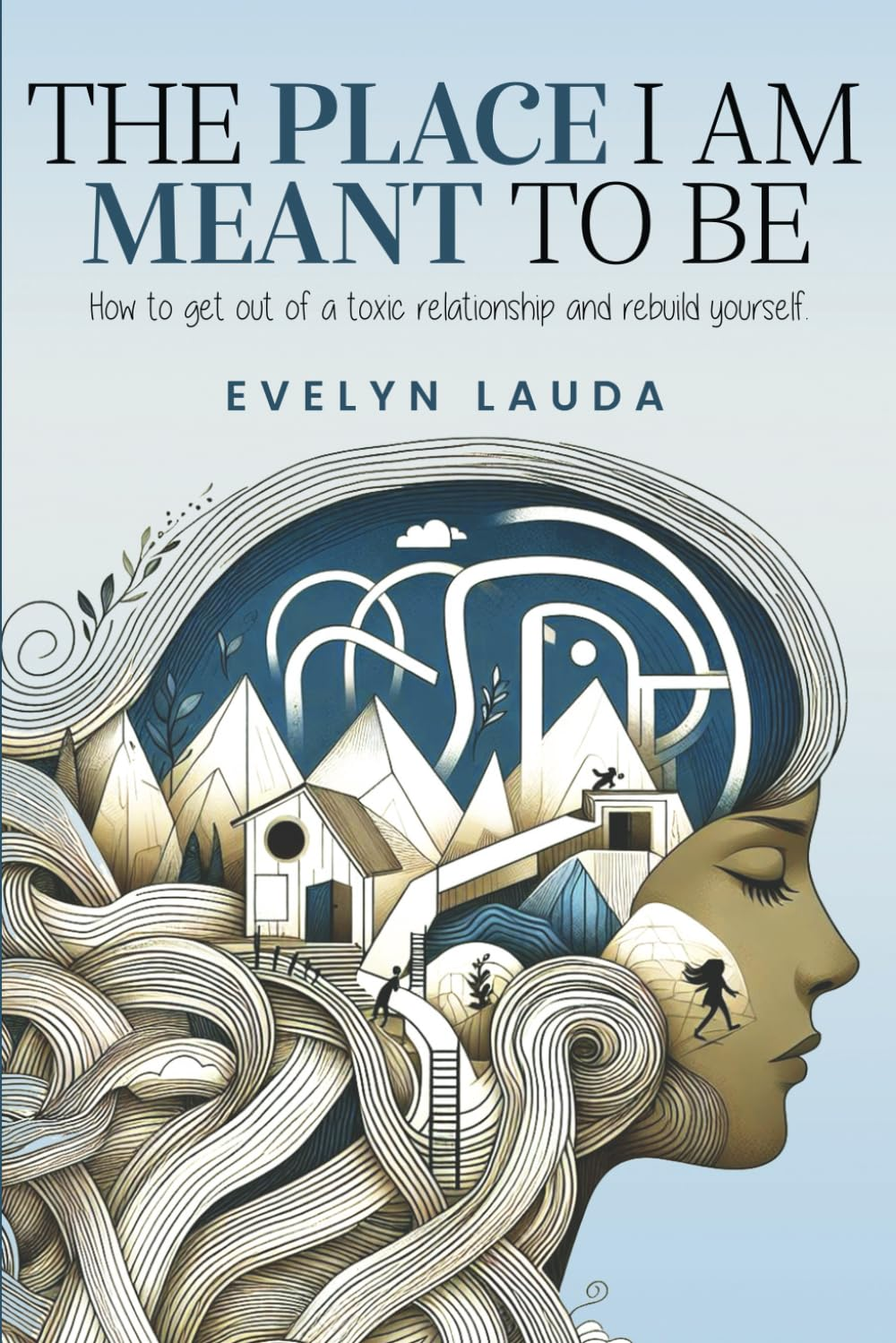
If you want to see how psychological abuse unfolds in a real-life story, without exaggeration or dramatic scenes, The Place I Am Meant to Be offers a powerful example. It reveals how emotional harm can exist beneath calm surfaces and how a woman gradually finds her way back to clarity and strength. It may help you understand your own experiences or support someone you care about.
Read The Place I Am Meant to Be byEvelyn Lauda now on Amazon: https://www.amazon.com/dp/1967679843.