Many women imagine toxic relationships as loud, explosive and easy to recognise. When we think of danger, we imagine raised voices, broken objects or scenes that leave clear evidence behind. Yet the truth is that some of the most damaging relationships do not look dramatic at all. They look calm. They look normal. They look stable. And that quiet nature is exactly what makes them so dangerous and so hard to identify.
This is why so many women stay for years without realising that something is wrong. They look for signs that match the dramatic moments they have seen in movies or stories they have heard from others. When those signs are not present, they tell themselves they are safe. They tell themselves it is not that bad. They tell themselves that every couple has problems. They tell themselves that they need to work harder.
The real signs are often subtle and silent. A toxic relationship can begin with seemingly harmless comments. The partner may raise an eyebrow at your choices. He may correct the way you speak or move. He may tease you in a way that makes you uncomfortable but then say that he was only joking. He may question your memory when you recall something he does not want to acknowledge. He may slowly shape your identity without ever raising his voice.
Many women overlook these moments because they are busy trying to keep the peace. They want their relationship to work. They want to be good partners. They want to avoid conflict. They assume that love requires patience and compromise. Over time, that patience becomes silence and that compromise becomes self erasure.
Another silent sign is when a woman begins to organise her life around her partner’s moods. She learns to read his reactions before he speaks. She adjusts her behaviour to avoid upsetting him. She prepares herself each morning for the tone he might bring home in the evening. None of this looks violent from the outside. But the emotional weight of living this way is heavy and draining.
A toxic relationship often shows itself through absence rather than presence. The partner may not shout or break things. Instead, he may withdraw affection, avoid communication or ignore emotional needs. The absence of warmth becomes a tool of control. A woman begins to feel responsible for bringing back the connection. She tries harder and harder even though she receives less in return.
One of the clearest signs is confusion. A woman who is in a toxic relationship often feels unsure of herself. She questions her own thoughts. She wonders whether she is imagining problems. She tries to explain her concerns but her partner turns her words back on her. He may say she is too sensitive or dramatic. He may tell her that other women would be grateful for what she has. Over time, these moments make her doubt her own judgment.
Another subtle sign is the loss of joy. Women in toxic relationships often stop doing things they once loved. Not because their partner forbids it, but because they sense that their partner does not support or value those interests. They shrink little by little. They stop asking for things. They give up hobbies. They lose the energy to maintain friendships. They become smaller versions of themselves without realising when the shift began.
In the end, healing from a toxic relationship is not quick, and leaving one is not always immediate. Evelyn took small, quiet steps over time before she left her marriage. She consulted with a coach, hired a lawyer, and carefully planned for her children’s well-being. Your friend may be doing the same, privately. Give them the time and space to move at their own pace.
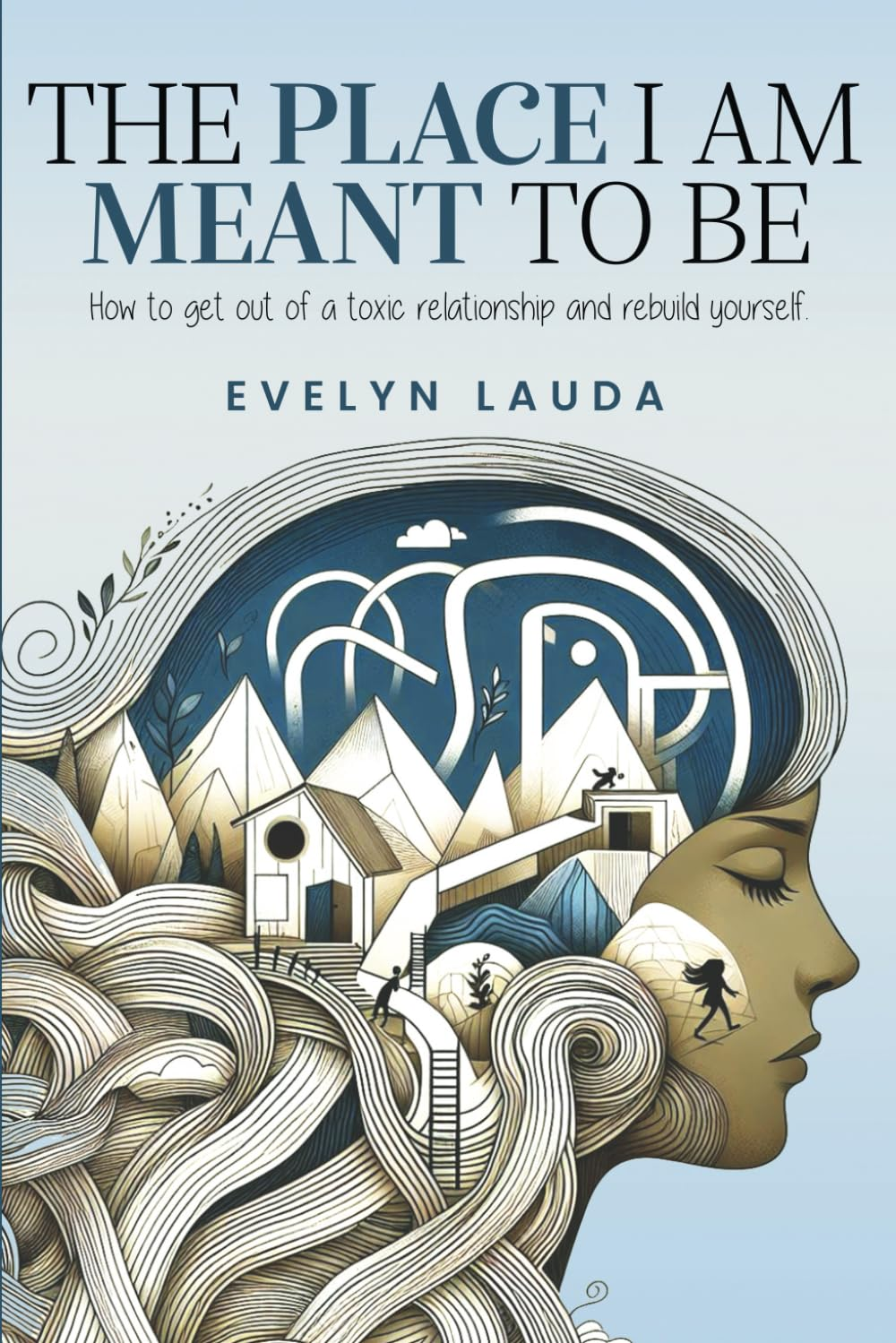
Evelyn’s story in The Place I Am Meant to Be shows just how hard it can be to speak up when you are trapped in a toxic dynamic. Her book is a must-read for anyone supporting a loved one who may be struggling in silence. It offers perspective, compassion, and hope, not just for survivors, but for the people who want to help them.
If you suspect a friend is struggling quietly, you do not need all the answers. You just need to be someone they can trust. That can make more of a difference than you know.
Read The Place I Am Meant to Be byEvelyn Lauda now on Amazon: https://www.amazon.com/dp/1967679843.